KDI & J spray shop services
Kdi & J (Spray shop) offers a full range of services concerning preliminary preparation of materials, painting and lacquering based on main technologies and principles.
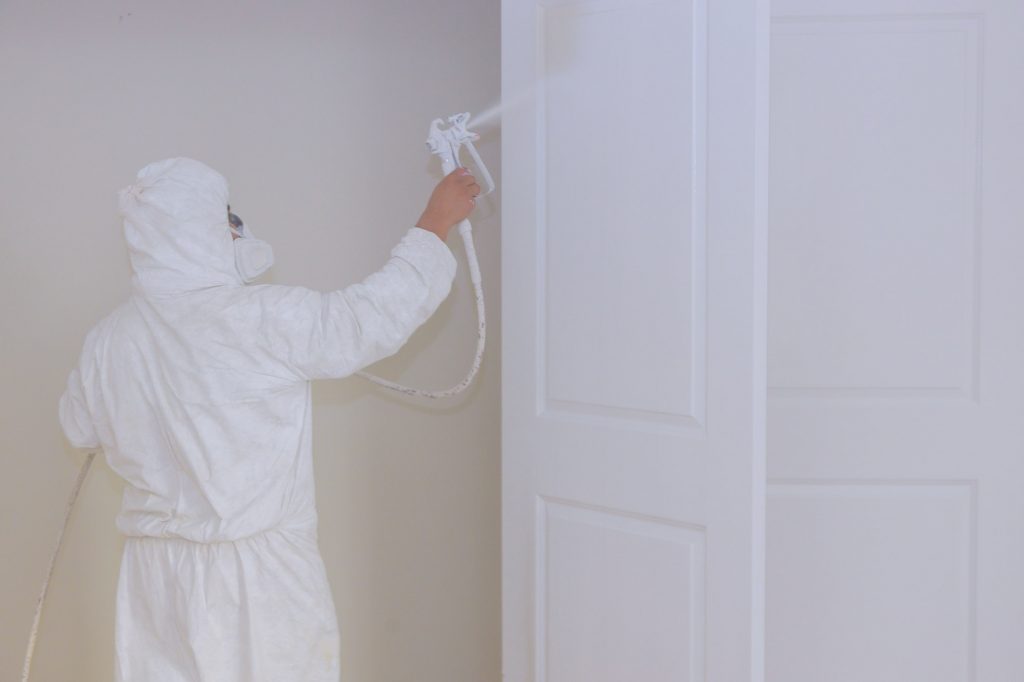
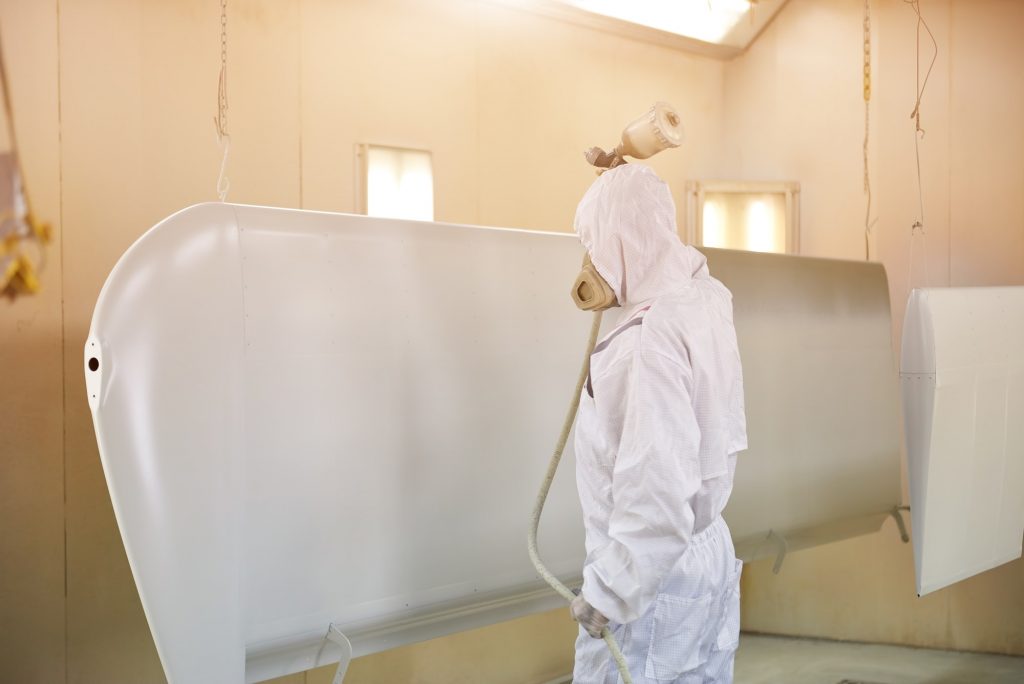
In order to apply water-based lacquer and painting materials we use a dry type filter method. Lacquering takes place in a lacquering workshop equipped with exhaust system and ventilation.
Painting chambers have multi-level filtering that allows to reach high level of air cleaning-up to 99%. This eliminates dust formation and increases quality.
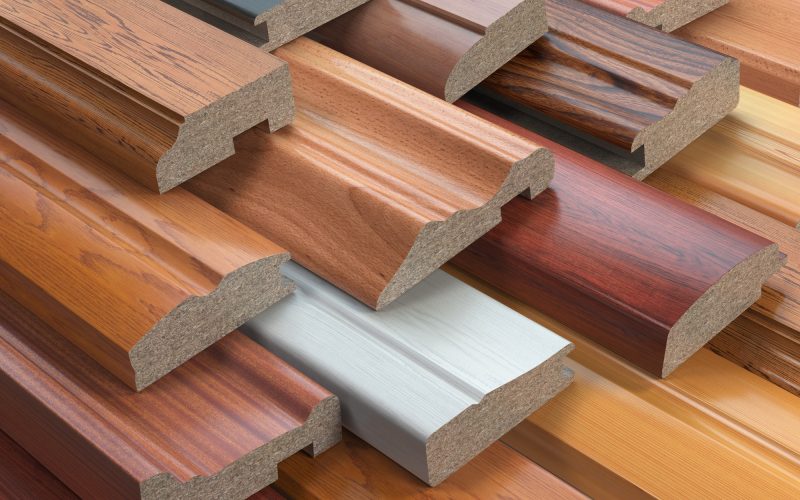
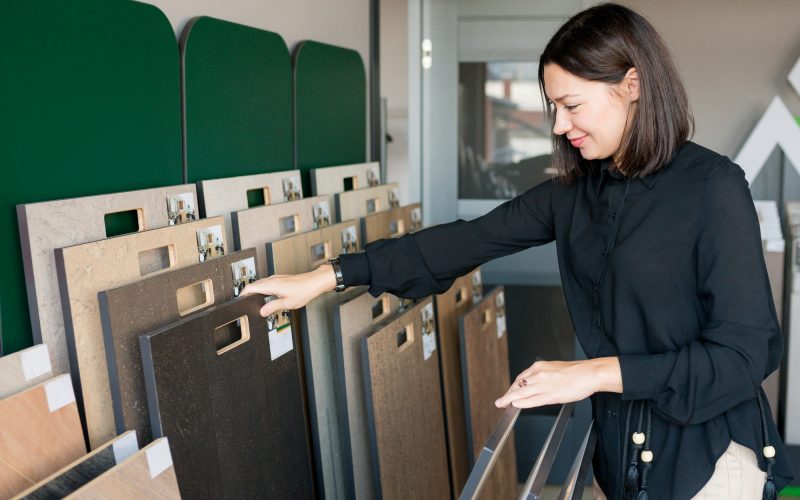
In our company you can repaint wooden materials, MDF, plastic, laminate, all metals in accordance with a full range of colours and tones: RAL, NCS, which means a few thousands of colours.
If we cannot choose a colour from the standard colour range, we will be able to find a colour that will match the model provided by the client.
We use professional paints and stains (bejca) of the following brands: ICA and MILESI, BARPIMO, Sikkens, International RM, BASLAT, URKI ,STANDOX .
In case of a special demand or at the wish of the client we use products of different companies.
We calculate prices based on the painted square of the surface. Painting of narrow components (less than 80 mm) increases the price of the services by around 20% due to a high paint loss while spraying.
Production cycle lasts during 5 calendar days irrespective of material types. The time of the cycle is determined by the technological requirements.
Our clients are advertisement companies, producers of kitchen furniture, clothes shops, interior designers, individuals and industrial companies.
We also work with professional lacquering workshops.
We provided services to the following companies in EUROPA : Van Gemert, WE, Media Markt, Intriplo, Metamo, Jachtschilders.
MATERIALS
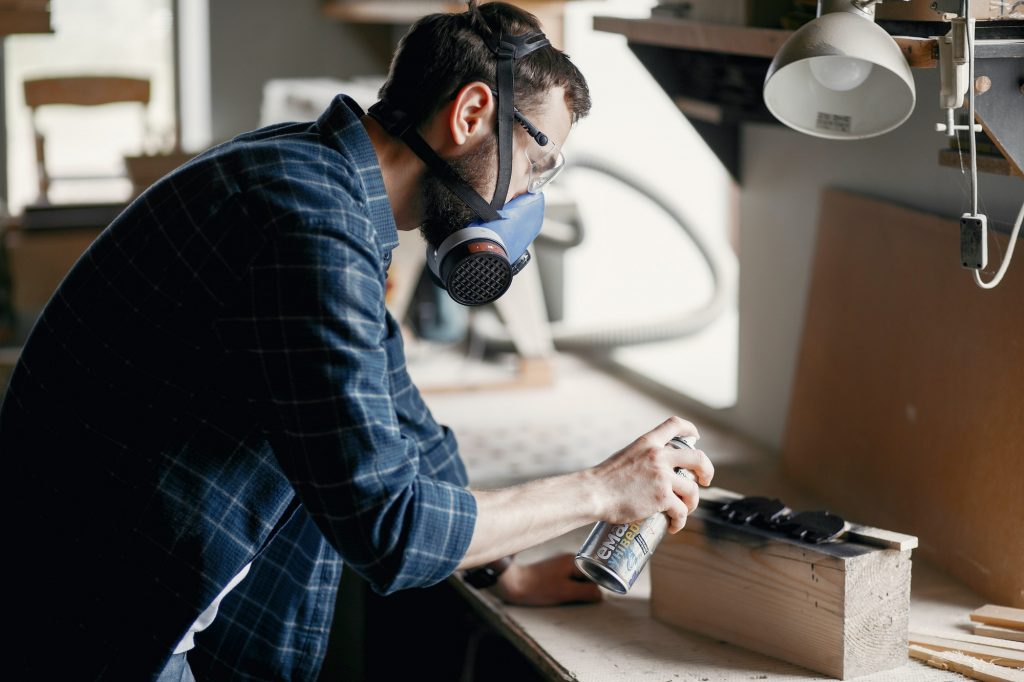
KDI & J offers a painting service by spraying paint onto materials.
In our company, you can order spraying of various materials such as wood, MDF, plastics, laminates and all kinds of metals in a full range of colors (RAL, NCS).
Materials may include:
MDF
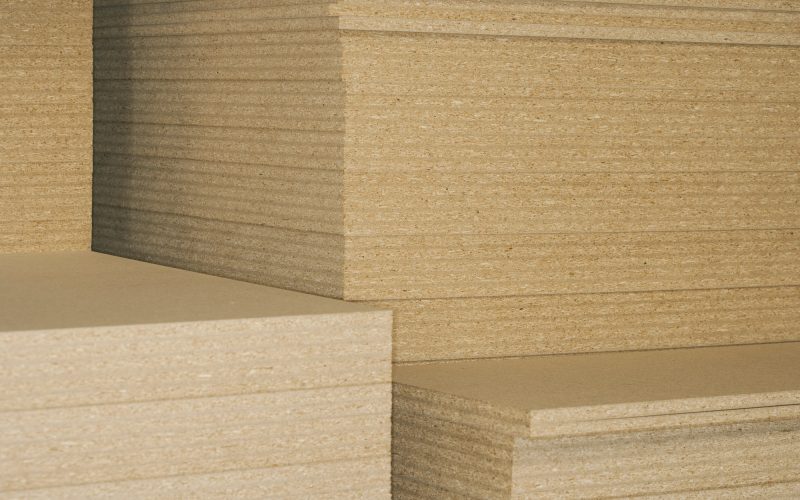
MDF is a board material produced from dried wood fibres that are treated by means of synthetical binders and formed as a carpet with subsequent hot pressing (density 700..870 kg/m3) and grinding.
The main binder of fibres is lignin that is formed during heating of the wood.
Due to a high durability MDF keeps furniture fittings much better than wood chipboard which leads to longevity and practicality.
This furniture can emphasize the interior of your house or your office. The colour chosen in a right way always harmonizes general character of design.
The most important principle is to find a good design approach.
What is the difference between painted facades and usual ones?
Firstly, moisture and smells do not penetrate painted MDF facades.
Secondly, these facades are resistant to high temperatures and humidity and to the influence of direct sunlight. Thirdly, painted facades allow to bring to life mostly extravagant design ideas.
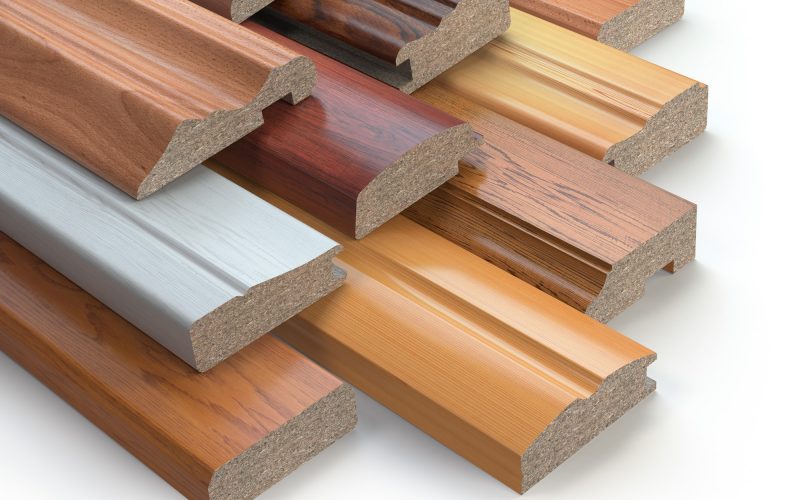
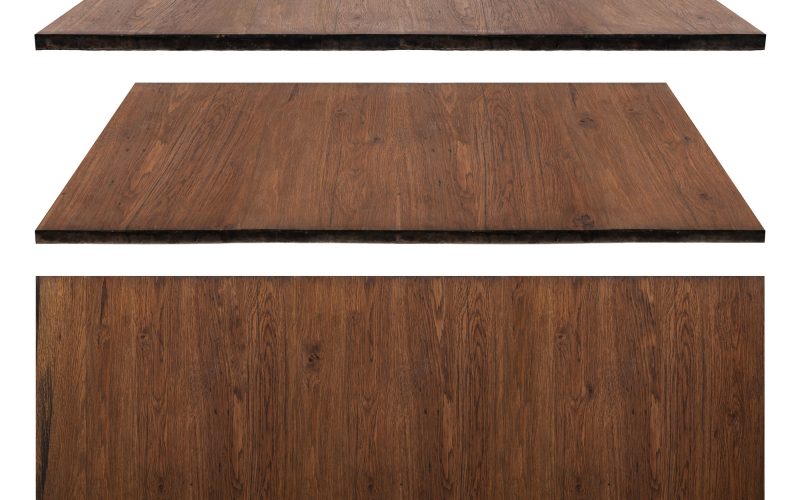
There are several types of painting: matte, semi-matte, glazed and metallic.
But irrespective of the colour chosen by you, MDF facades painted in our company KDI & are always of a good quality.
They are safe, durable, longevous and of course nice looking.
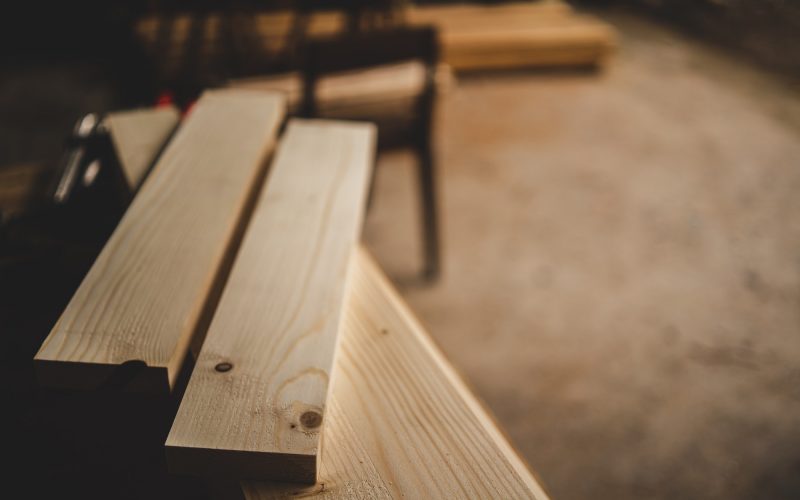
Wood
Painting of wooden materials
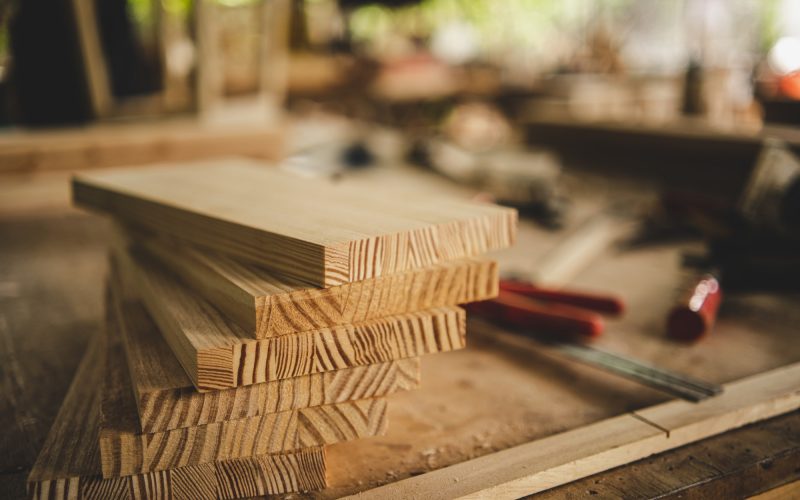
We paint different types of wooden materials. We use different ways of painting depending on characteristics of the wood.
Painting by means of a colourless lacquer. It preserves natural colour of the wooden material.
Painting by means of stain (bejca). It preserves visible structure of the wooden material in all range of colours. from white to green, from brown to black.
Applying lacquer that covers wooden structure. We use it very seldom.
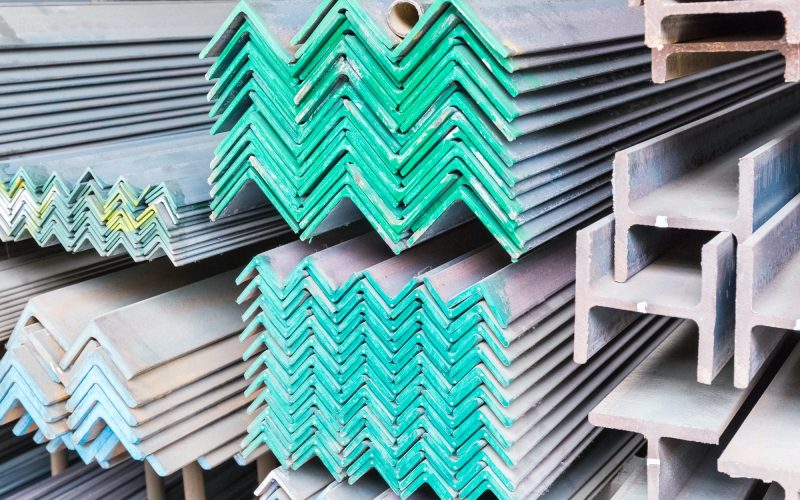
Metal
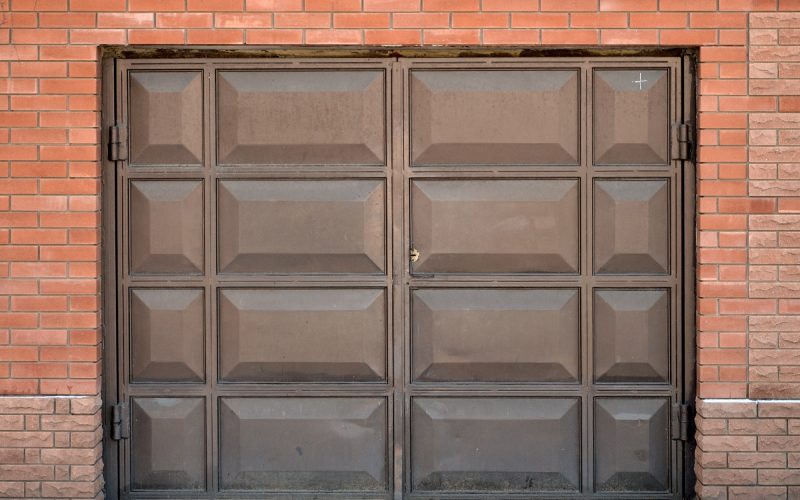
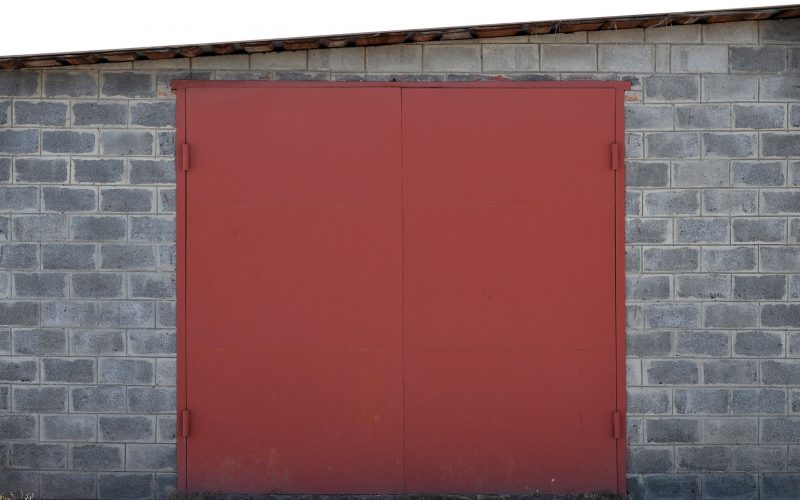
Painting of metal materials
All metal structures have a wide range of advantages: simplicity and serial production, durability and longevity, fast and easy erection process, easy disassembly and assembly, operation reliability and transportability. But at the same time metal is exposed to corrosion processes which result in the necessity to protect metal from destructive influence of the environment.
The main condition of anticorrosive protection is preparation of metal surface. Anticorrosive primer paint can be of the following types: alkyd (placed directly to rust), urethane, phosphating primer for non-ferrous and ferrous metals, zinc-rich primer-protector (cold metal galvanizing), phosphating modificator (rust solvent).
Covering enamel and primer paint will serve as a complex protection system and a long-term quality guarantee under aggressive influence of the environment. There are different of types enamels: aluminium paint (for galvanization and ferrous metals), enamel for nonferrous metals and their alloys, enamel “liquid plastic”, hammer enamel (decorative), paint for galvanized metal (for roofs). Powdery metal painting is used as ecologically clean technology. The technology of electrostatic spraying is characterized by very equal painting. Any metal surface becomes very durable, resistant to harmful chemicals and temperature differences. A thin but very trustworthy layer becomes totally dry in 10-20 minutes. It has an impact resistance and resistance\ to the formation of scratches as well. The width of the coating can be in the range of 30-250 micrometers and the use of special paints with increased physical and chemical properties allows to reach high durability, elasticity, adhesion and light resistance of the surface.
Plastic
Painting of plastic materials
We paint many types of plastic. The only limitation that can take place is hardness of material. It is difficult to cover a soft plastic with a lacquer. Covering of a plastic with a lacquer is done in the same way as with the metal giving the possibility to match a colour range with existing colours and design. Besides, we paint elements and components for exhibitions and for advertisement purposes. The color range for plastic painting is the same as the one for MDF and metals. The only difference is in a primer paint. In this case it is a special primer paint for plastic materials.
Abrasive preparation of the surface of plastic materials.
It is necessary to clean the surface before using paint and coatings .In this case it is necessary to remove any pollutions: dust, remains of glue, etc.
Defatting of plastic materials.
Different water-repellent lubricants can be used during production of plastic details, for example, for easy separation from the press-tool or a discharge head. These separating lubricants very often contain silicone.
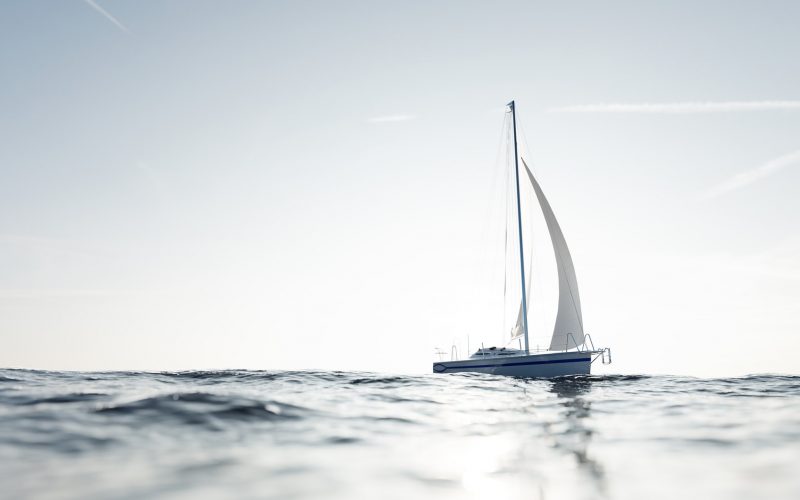
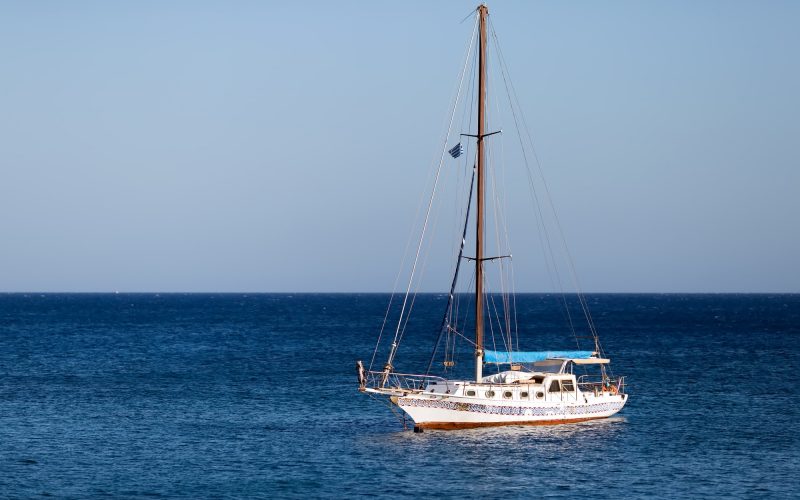
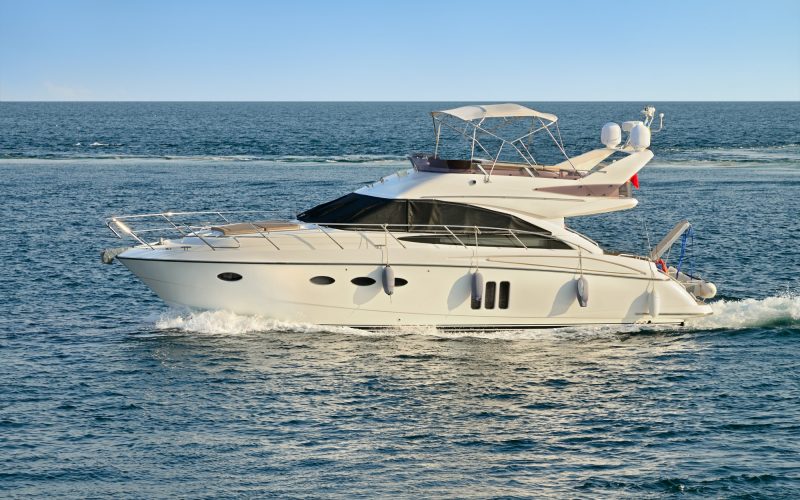
Yachts - boatbuilding services
When you own a yacht, you want it to look perfect.
Regardless of whether your wooden, polyester or metal yacht is one or twenty years old, thanks to our knowledge and experience, we ensure that it will look like new again.
In addition to sandblasting, filling, priming and topcoating, the treatment of osmosis is also part of our work. As well as the use of prophylactic systems that can prevent osmosis.